
 English
  中文简体
中文简体

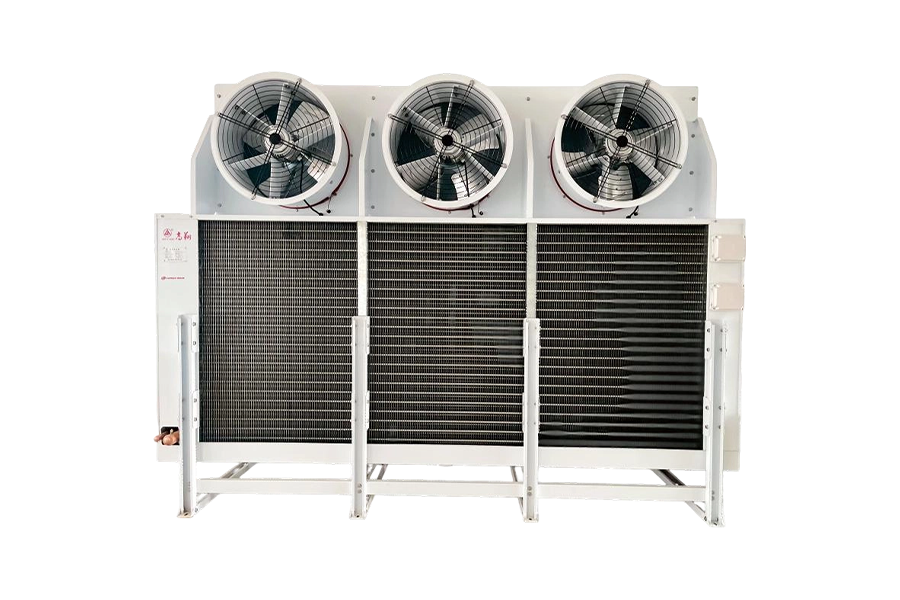
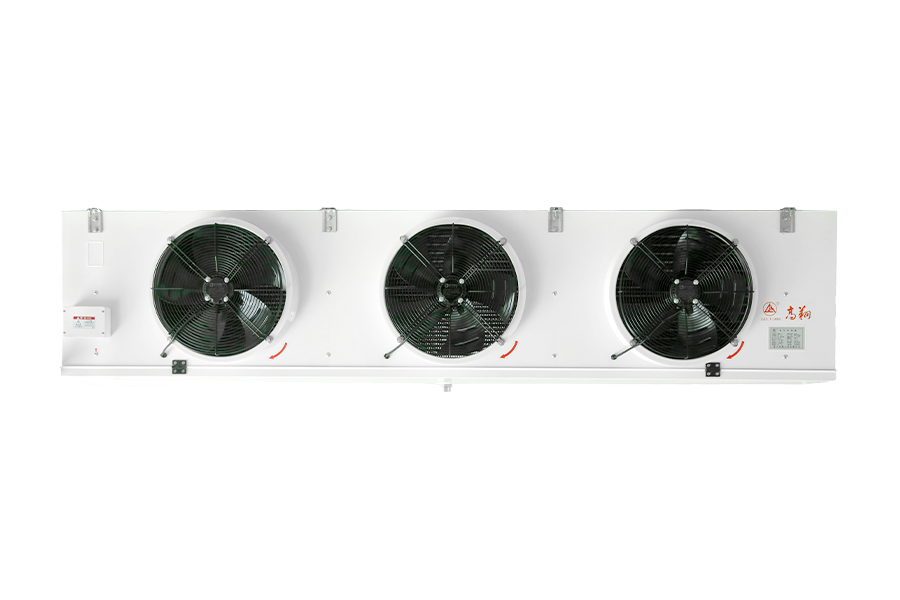
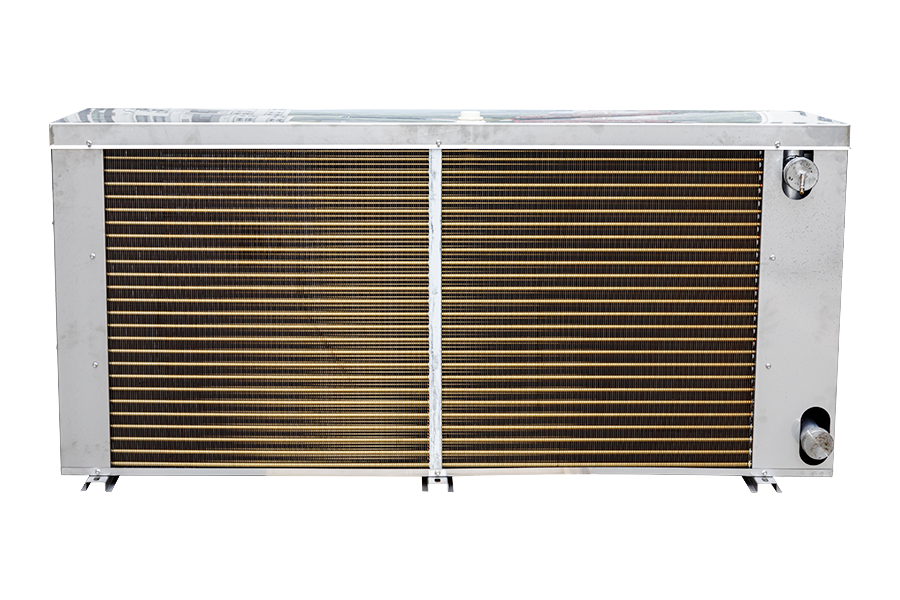
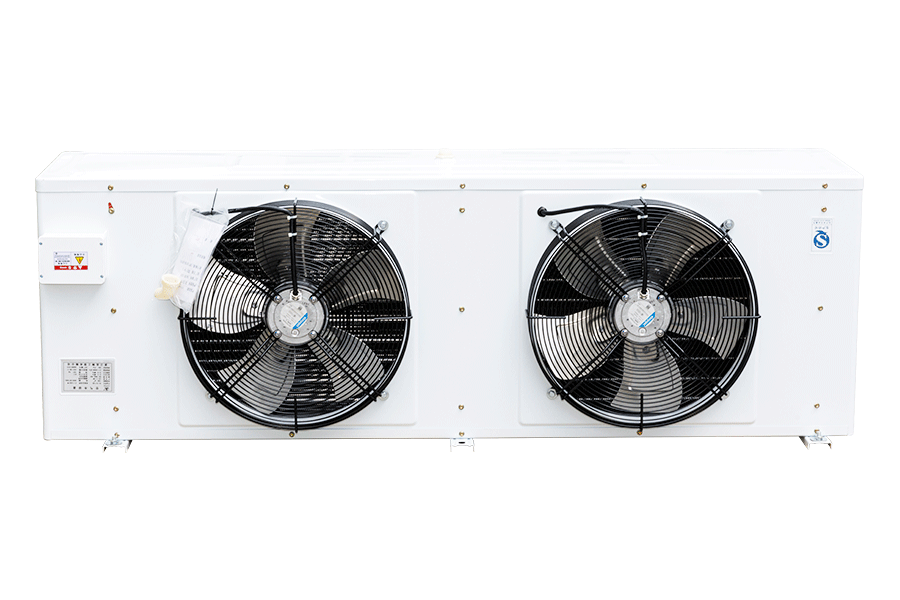
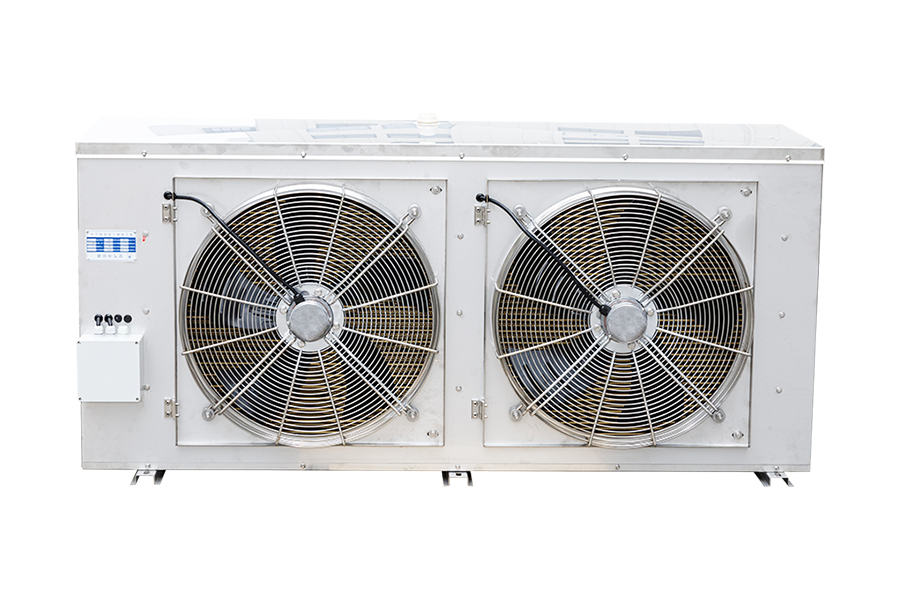
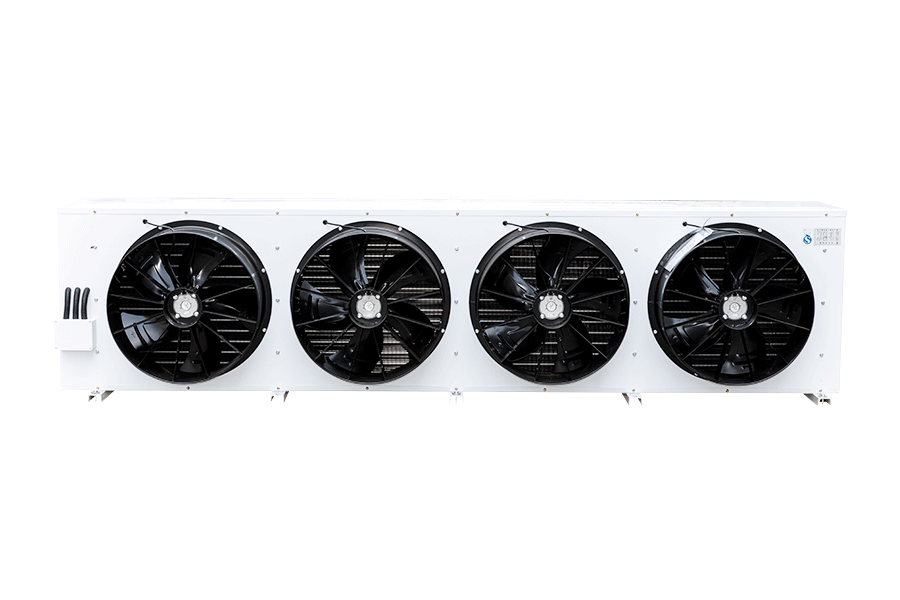
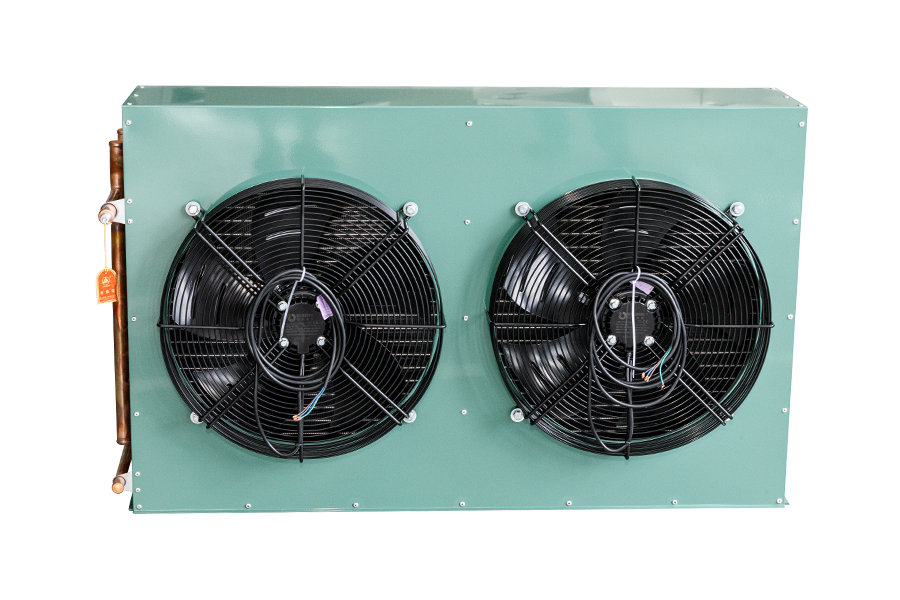
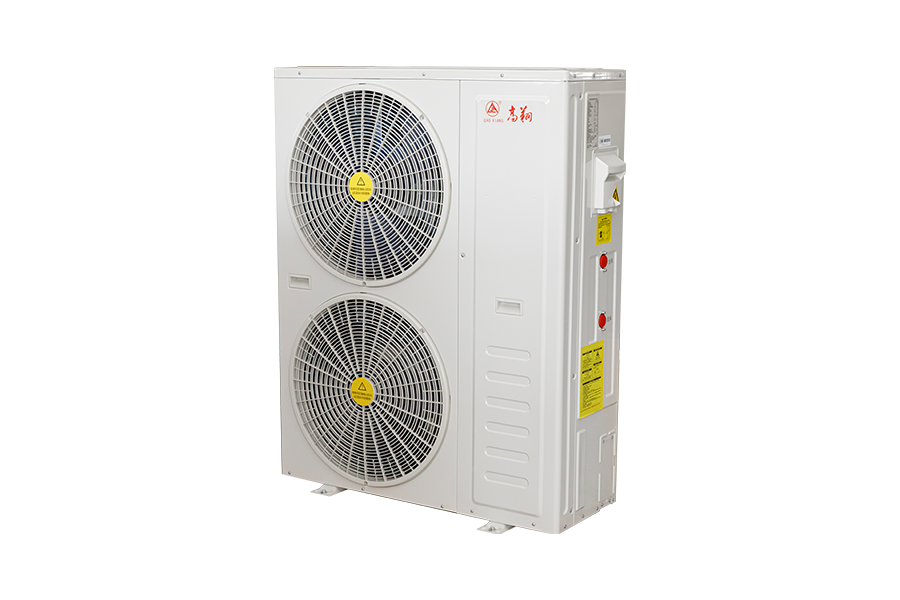
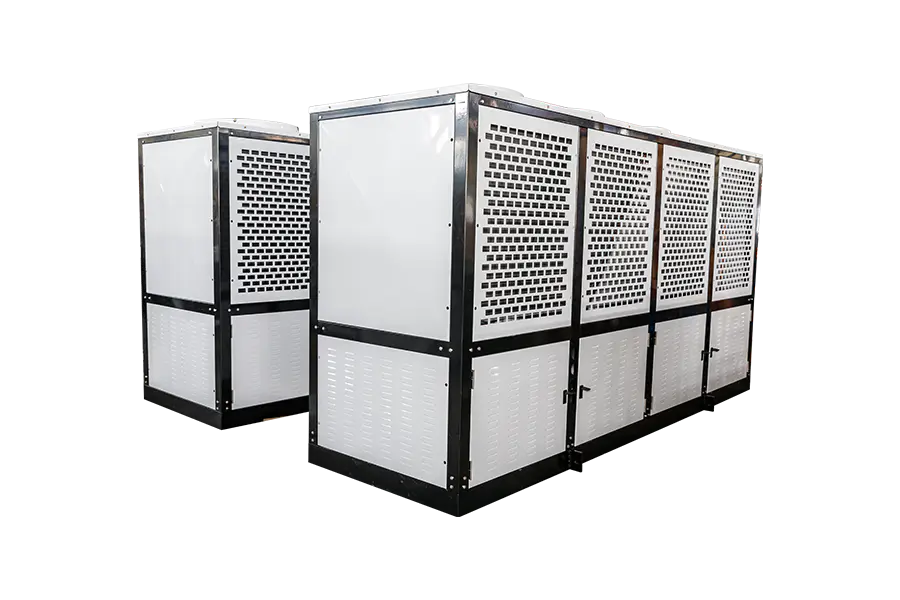
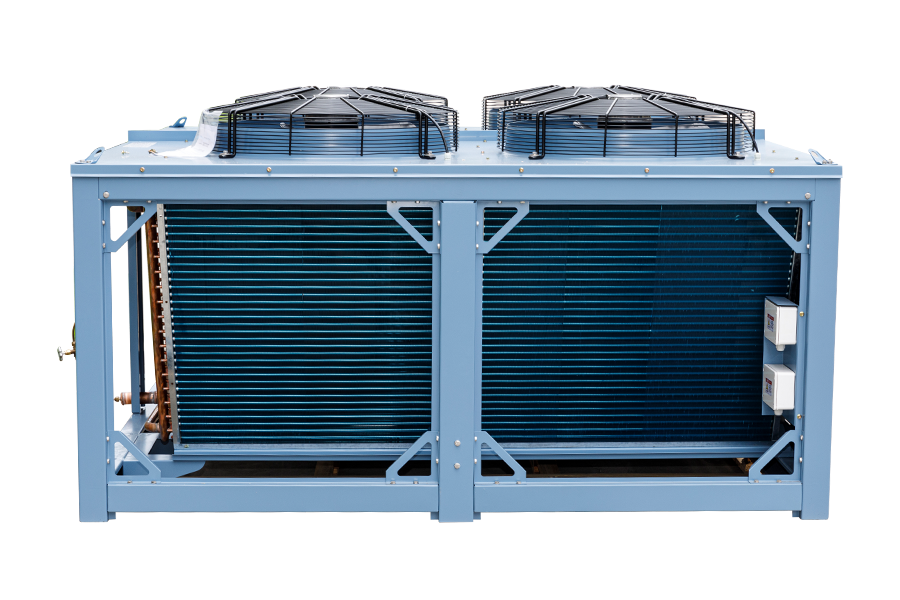
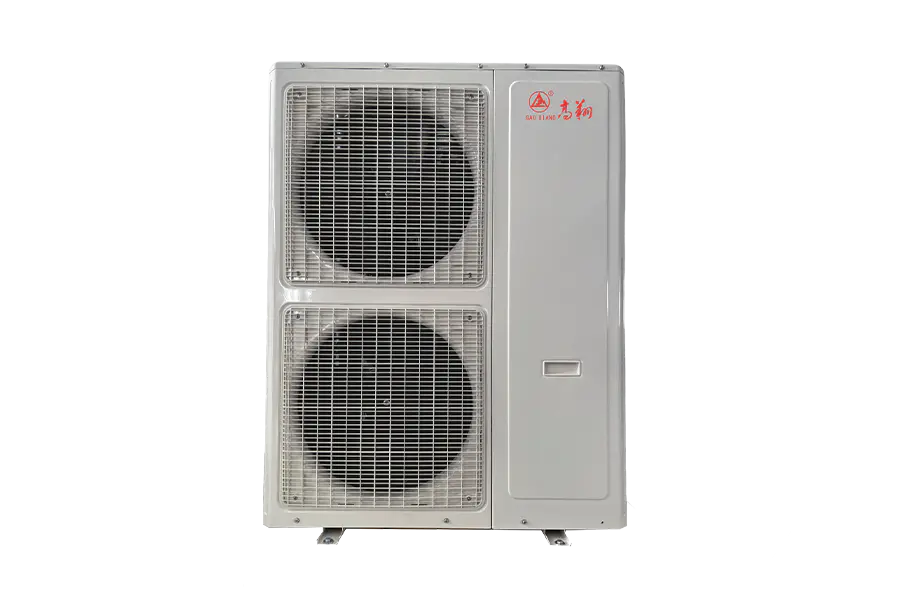
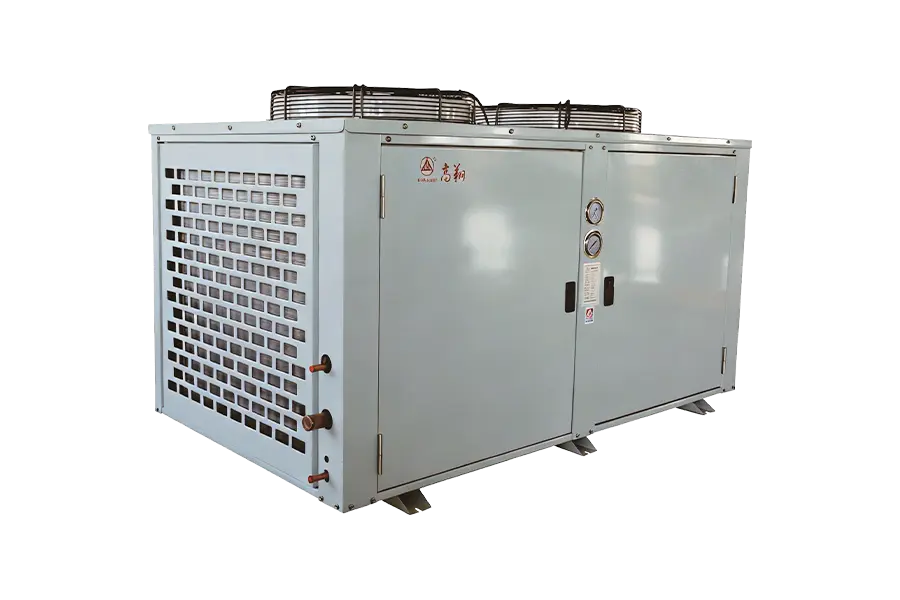
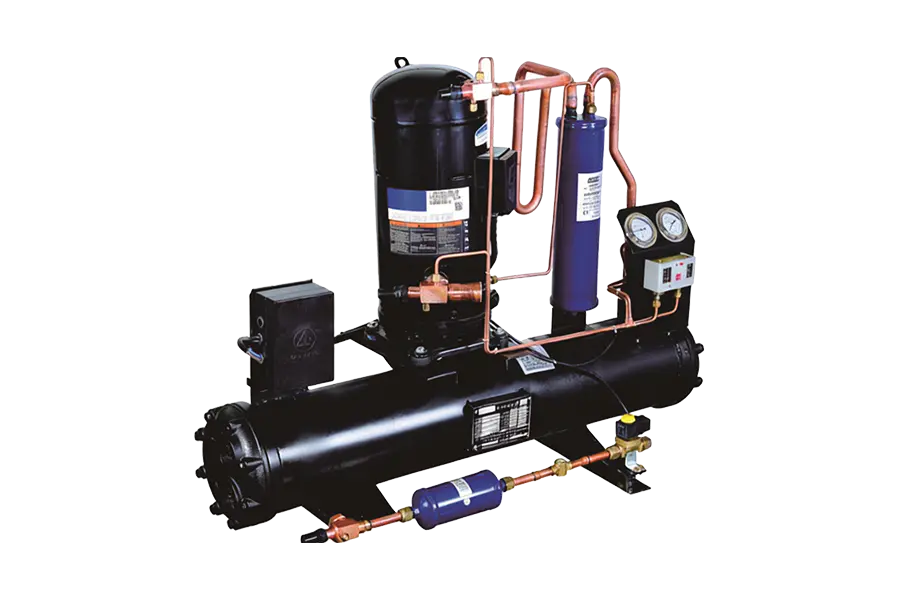
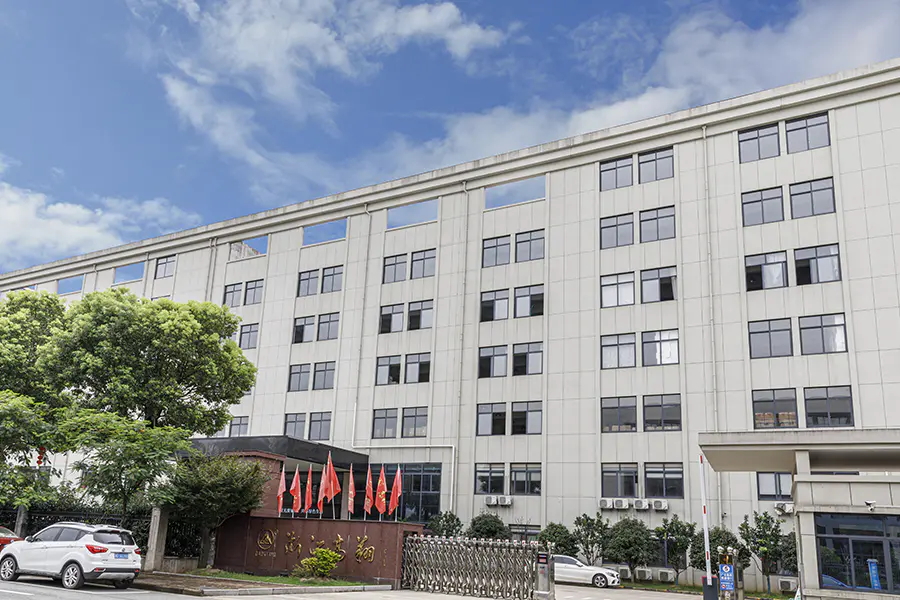
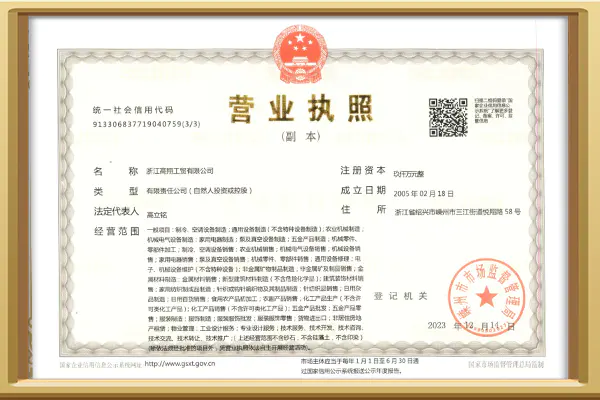
Zhejiang Gaoxiang Industry and Trade Co., Ltd. was founded in 1990, belonging to the commercial refrigeration and refrigeration equipment industry in the refrigeration industry. It is a comprehensive industrial company specialized in researching, manufacturing and trading refrigeration equipment. The company produces and sells condensers, Machine, semi-sealed, all sealed cold compression condensing units, large and medium-sized parallel units, and contractors for the cold storage project.
After nearly 30 years of development, the company has become an important supplier of cold chain refrigeration equipment in China with a building area of 100,000 square meters and an annual production capacity of 500,000 sets of refrigeration equipment and various kinds of refrigeration equipment and products The solutions provided have gained widespread industry acceptance and trust.
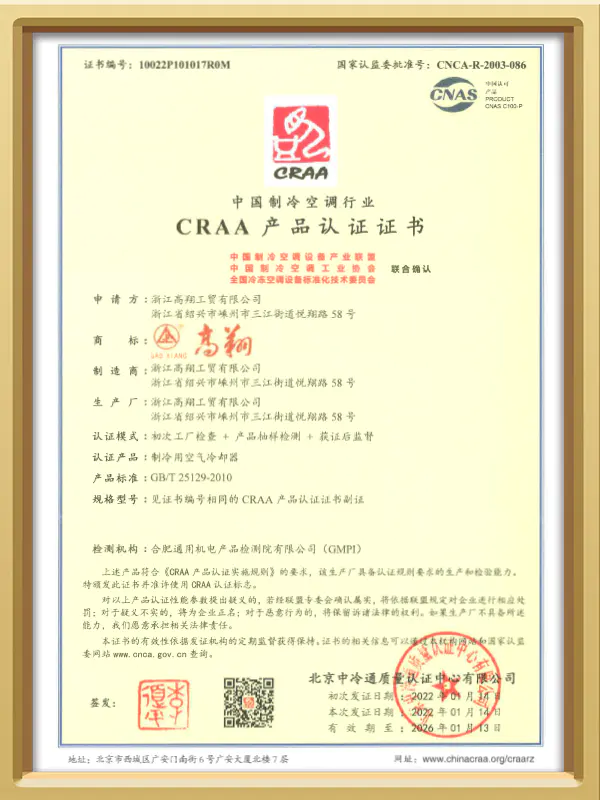
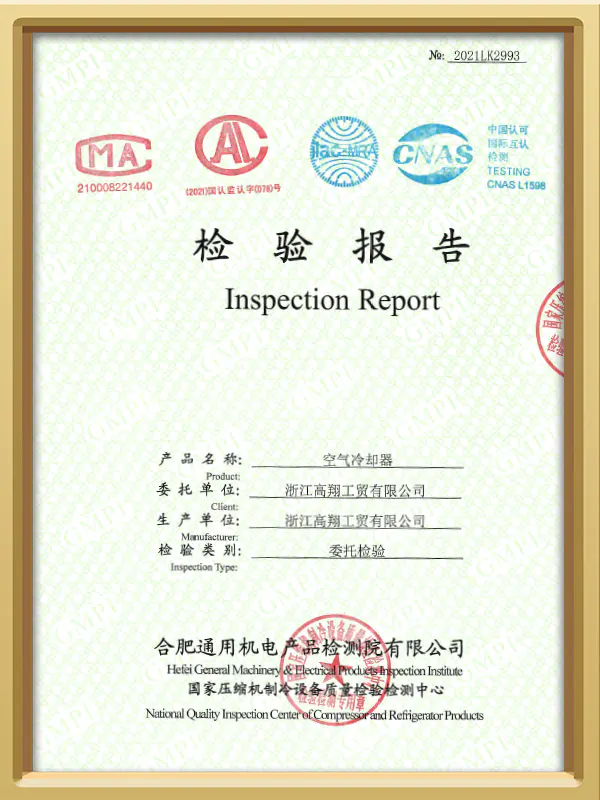
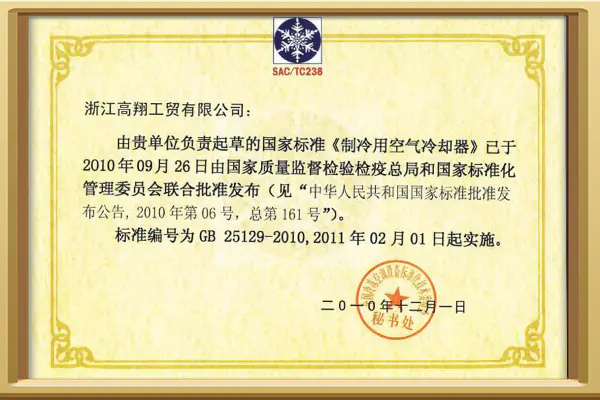
Gao Xiang company is a national high-tech enterprise, China Warehousing Association member units, responsible for and participated in the national standard "cooling air cooler" (GB / T25129-2010) formulation. The combined cold storage produced by the Company has become the agricultural machinery promotion product designated by the Ministry of Agriculture and Zhejiang Provincial Department of Agriculture. The agricultural cold storage project below 1,000 cubic meters can be subsidized by the local government according to the government.
Gao Xiang company focused on product frequency conversion, low energy efficient refrigeration technology research and application in this field has 38 core inventions, utility model patents, won the China Machinery Industry Science and Technology Award two prize, in food preservation, preservation, Shelf-friendly technology in the industry. Companies and tertiary institutions and research institutes in the biological samples cryogenic preservation, ultra-low temperature crushing project, marine cryogenic deep processing and preservation of complete sets of cold-chain technology, refrigerant refrigerant and green refrigerant technology for a wide range of research carried out And application, together to create low-temperature technology and engineering production, learning, research base.
"Advocate energy conservation, environmental protection, sharing ideas." Gao Xiang in the future development of the company will actively respond to the national call for energy-saving emission reduction, comply with the global requirements for low-carbon life, closely around the country's "agricultural cold chain logistics development plan" Courage to innovate, keep improving, ensure product quality, keep accelerating product technology upgrade.